
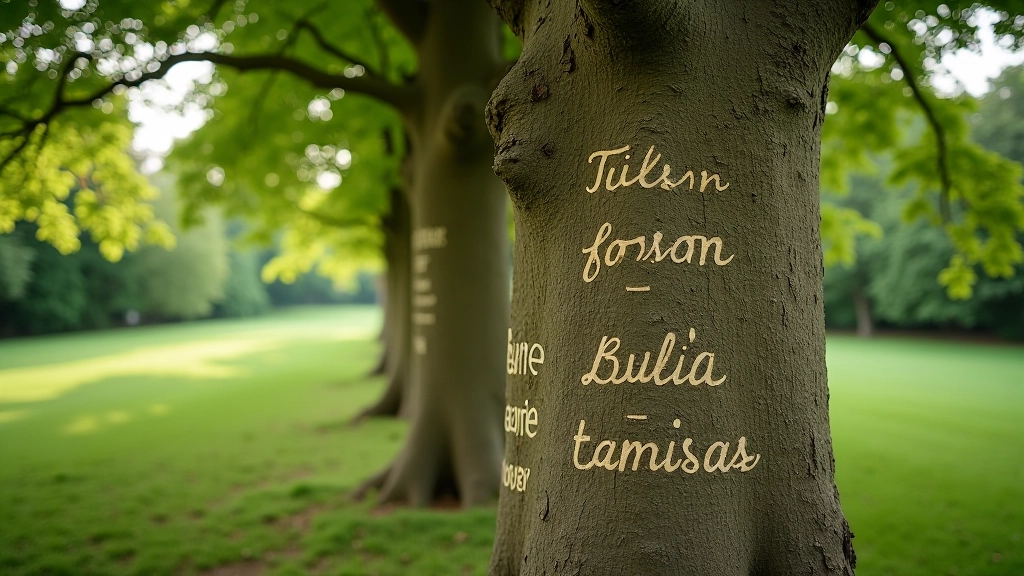
Coole Park: Autograph Tree Trail
Follow the woodland path to the famous beech tree carved with signatures of literary figures. Walk through the gardens where Yeats and Lady Gregory collaborated.
Explore the restored Norman tower where Yeats lived. Discover how medieval fortifications reveal the lives of Irish gentry and the literary history hidden in these walls.
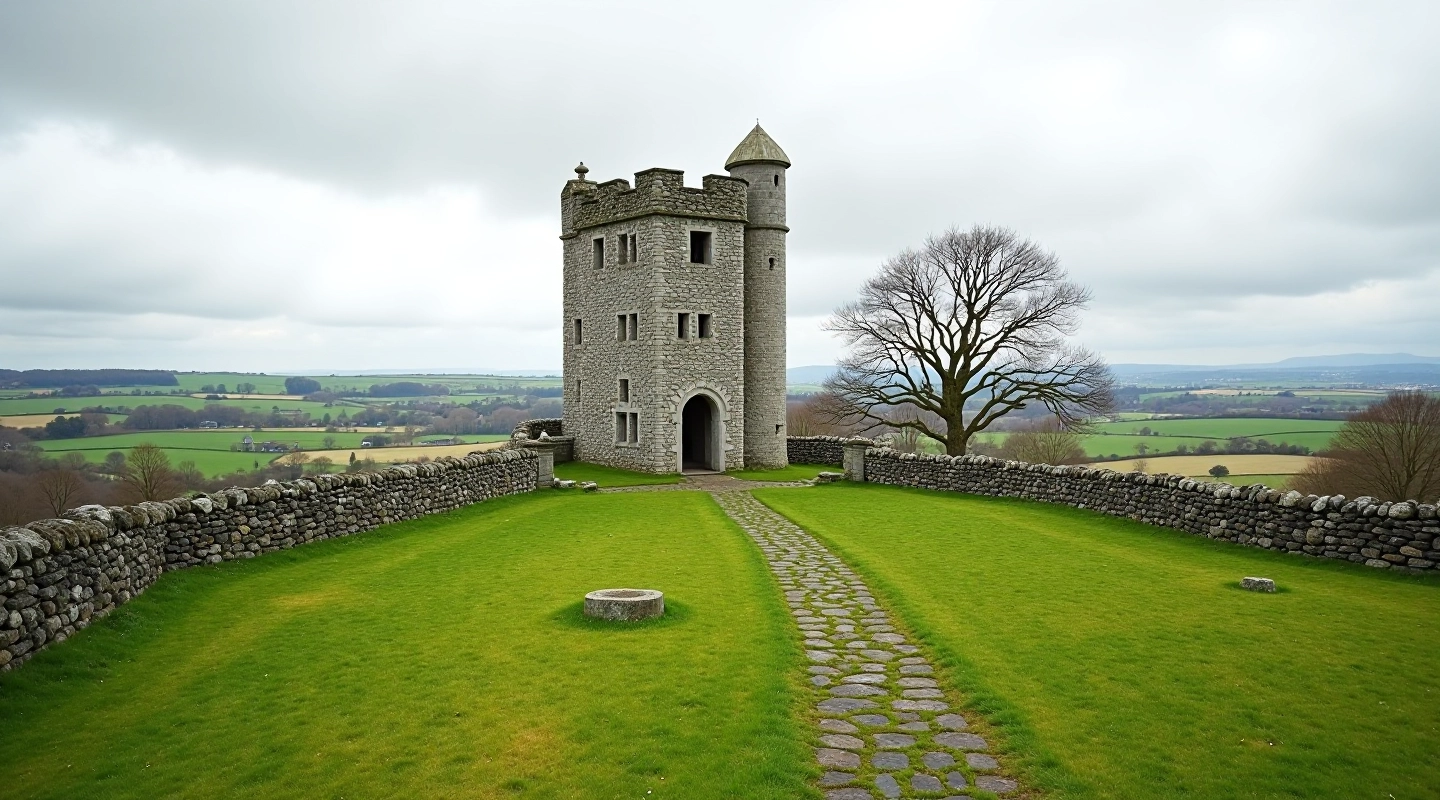
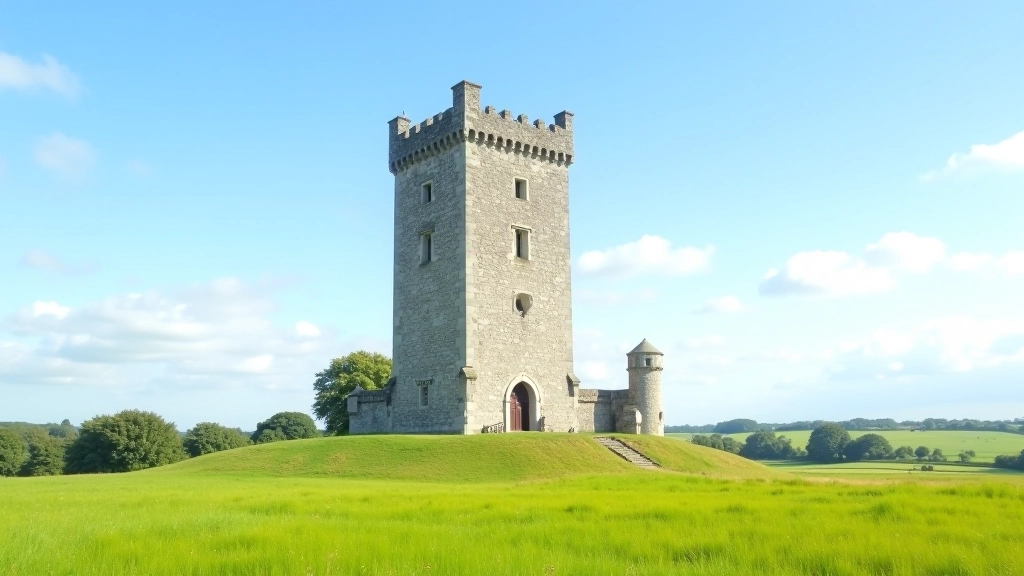
Thoor Ballylee isn't just another medieval ruin scattered across the Irish landscape. It's a working symbol of how history, literature, and architecture intersect in ways that still matter today. The tower sits in County Galway, near the village of Gort, and it's been carefully restored to show what life looked like for Irish landowners centuries ago.
The real story gets interesting when you learn that William Butler Yeats — one of Ireland's most important poets — actually lived here. He purchased the tower in 1916 and spent summers working on his poetry while raising his family. That's not typical for a medieval fortification. Most towers were abandoned or left to crumble. This one became a creative sanctuary, and that history is written into every stone.
The tower was built centuries ago when Irish gentry needed defensible positions. It's a classic Norman structure — sturdy stone walls, narrow windows positioned for protection rather than views, and compact rooms designed to withstand raids. The original builders were likely Anglo-Norman families who'd settled in this part of Galway. These weren't luxury residences. They were practical military structures.
By the 20th century, the tower had fallen into disrepair. Roofs had collapsed. Walls cracked from centuries of weather. Most people would've walked past it without thinking twice. Then Yeats arrived. He saw potential where others saw rubble. He renovated the tower and made it his summer retreat, writing some of his most famous poetry within these walls. That transformation changed everything about how we understand this building.
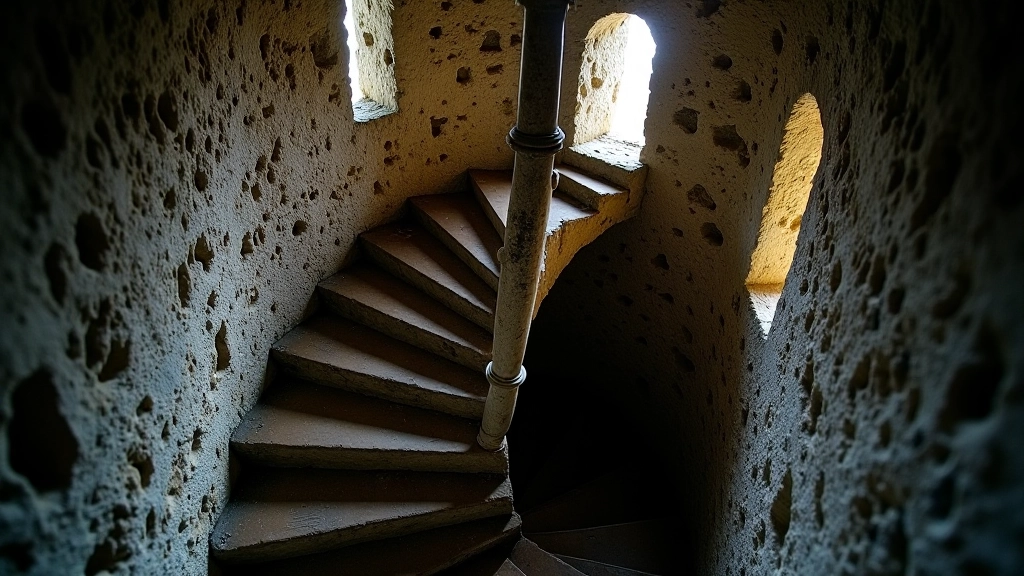
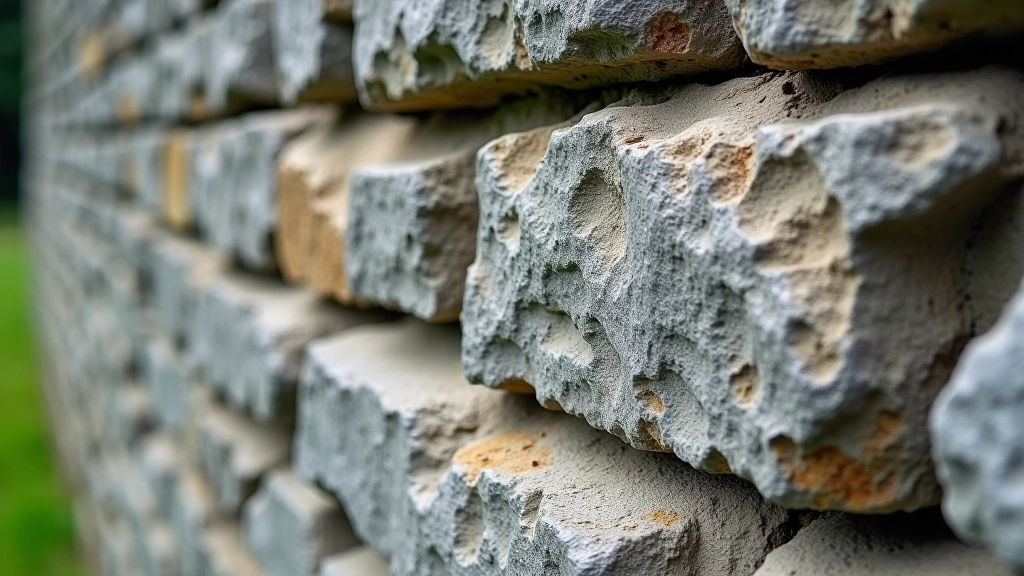
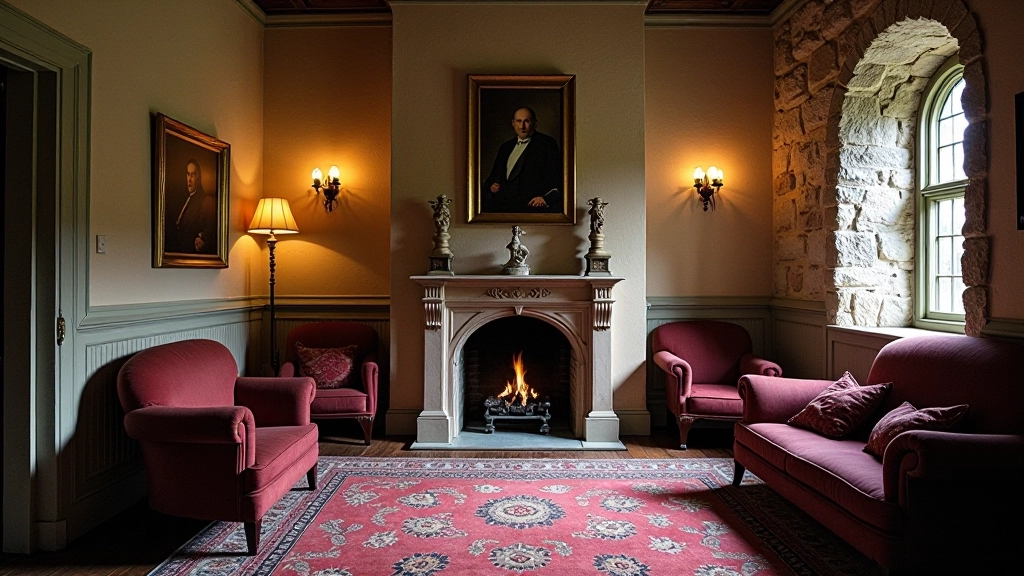
When you visit Thoor Ballylee, you're looking at a five-story tower. Each floor served a specific purpose. The ground level — sometimes called the bawn — was the most secure space. It's where people retreated during attacks. The walls here are thickest, sometimes reaching six feet or more. You can feel the weight of that stone. It's designed to withstand siege conditions.
Moving up, each level gets slightly smaller. This wasn't accidental. The tapering design actually strengthens the structure, distributing weight more effectively. Windows appear on higher floors because they're less vulnerable to attack. The spiral staircase connecting everything is tight — only wide enough for one person at a time. In a real siege, that narrow staircase becomes a defensive advantage. You're not dealing with a building designed for comfort. You're looking at military architecture that reflects genuine survival concerns.
Yeats purchased Thoor Ballylee in 1916 when he was already an established poet. He wasn't looking for a fortress. He wanted a retreat — a place to write, think, and escape the chaos of Dublin literary circles. His wife George Hyde-Lees shared his enthusiasm for the project. Together they invested significant effort into restoration work.
The poet spent summers here, and those visits produced remarkable work. The tower appears directly in several of his poems, including "The Tower" — one of his most celebrated pieces. He references the building's history, its stone walls, and the countryside surrounding it. For Yeats, the tower wasn't just accommodation. It was inspiration. The physical reality of the structure — its permanence, its connection to Irish history, its resistance to time — all influenced his creative thinking.
The tower itself became a metaphor for endurance and artistic creation in Yeats's imagination.
The tower operates seasonally. It's typically open during summer months — May through September — though it's worth checking ahead. You'll find it near the village of Gort, roughly 30 kilometers south of Galway city. There's a visitor center with information about the restoration work and Yeats's connection to the place.
The climb involves narrow spiral stairs across all five floors. There's no elevator or modern convenience. If you have mobility concerns or aren't comfortable with steep stairs, you'll want to know this upfront. The views from the top are worth the effort though. You can see across the surrounding countryside — fields, trees, and the landscape that inspired Yeats's writing.
Summer visits are most practical because of the seasonal opening. The weather's more reliable, and daylight lasts longer. If you're planning a heritage walk in the area, you could combine Thoor Ballylee with nearby sites like Coole Park. The two locations complement each other nicely — both connected to Irish literary history and landscape.
Walking through Thoor Ballylee isn't a polished museum experience. It's more intimate than that. You're literally moving through the same spaces where Yeats worked. The restoration is careful — they've preserved the authentic character while making the structure safe. You'll see original stonework alongside modern reinforcement. That contrast is honest. It doesn't pretend the tower wasn't damaged or neglected.
Each floor tells a story. Ground level shows the fortress mentality. Higher floors reveal domestic life — where Yeats slept, worked, and watched the landscape. The narrow windows make sense once you're inside. They're not there for aesthetics. They're functional security features that happen to frame specific views beautifully.
Choose visits that match your fitness level and mobility. Check local conditions before traveling, and speak with your GP if you have health concerns before undertaking the climb. The narrow spiral stairs aren't suitable for everyone. Opening times and access can change seasonally — it's worth contacting the visitor center directly before planning your trip.
Medieval tower houses are scattered across Ireland. Most are ruins. Most people drive past them without stopping. Thoor Ballylee is different because someone decided it was worth preserving. That decision wasn't about creating a tourist attraction. It was about recognizing that this particular building held meaning — literary meaning, historical meaning, architectural meaning.
When you're standing in Yeats's study, looking out through a narrow window at the same countryside he saw, something connects. You're not just visiting a historical site. You're occupying the same space where important creative work happened. That's the real appeal of Thoor Ballylee. It's not a reconstruction or a theme park. It's an actual place where actual history occurred, and you can still feel it in the stone.
Editorial Team
Written by the robwway Editorial Team, focused on clear, practical guidance for heritage walks in Galway. We're committed to helping people discover the stories hidden in historic places.
Discover more heritage walks and literary landmarks in the Galway region
Follow the woodland path to the famous beech tree carved with signatures of literary figures. Walk through the gardens where Yeats and Lady Gregory collaborated.
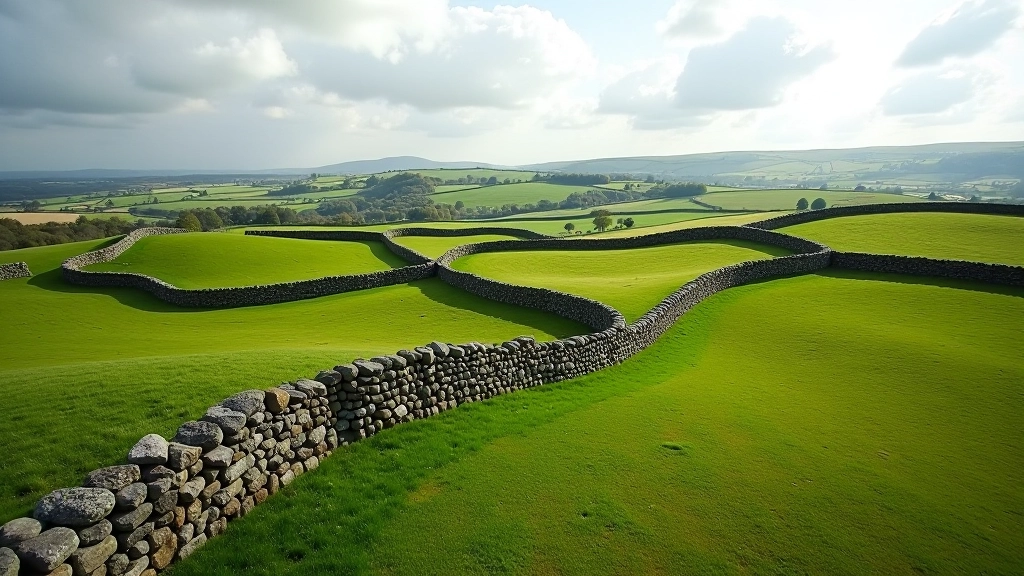
Walk the ancient stone boundaries that shaped farming communities. These walls tell stories of land ownership, agricultural practice, and rural life spanning centuries.

Practical advice for comfortable walking. Best times to visit, what to bring, parking information, and seasonal considerations for heritage sites.