
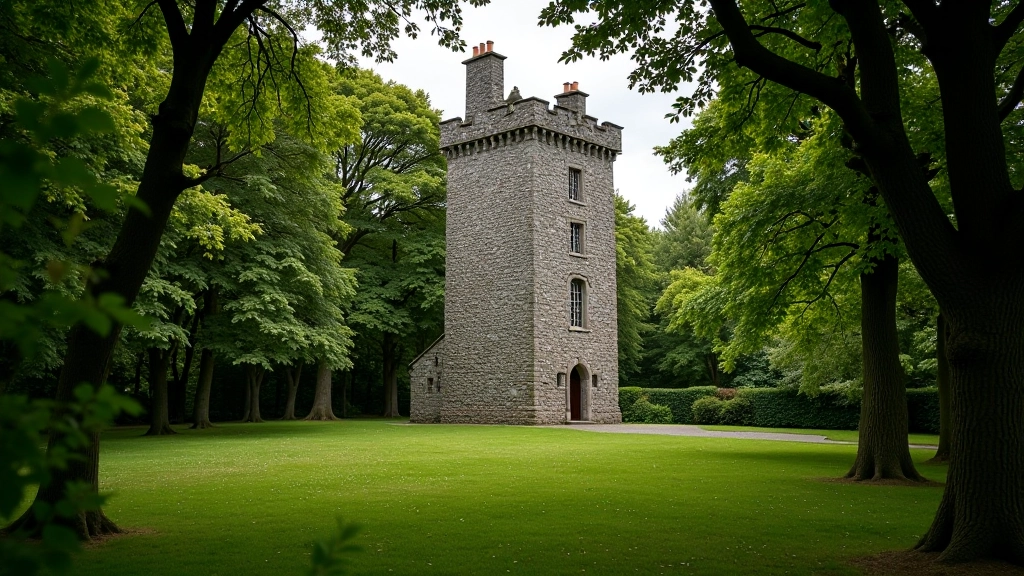
Thoor Ballylee: A Poet's Tower
Explore the restored Norman tower where Yeats lived. Discover how medieval fortifications became a poet's creative refuge.
Read MorePractical advice for comfortable walking. Best times to visit, what to bring, parking information, and how to make the most of your time exploring Galway's historical sites.
Before you set out on a heritage walk, it's important to prepare properly. We're talking about comfortable shoes, a water bottle, and realistic expectations about distance and terrain. Most heritage walks in Galway range from 2 to 5 kilometres, which doesn't sound like much until you're navigating uneven ground.
The best time to walk is early morning or late afternoon. You'll avoid crowds, and the light's better for photos. Plus, you won't be battling the midday heat. Spring and autumn are ideal seasons — the weather's unpredictable but not extreme, and the landscapes are genuinely beautiful.
Most people underestimate how much water they'll need. Bring more than you think you'll drink — there aren't many shops along these routes.
Check the weather forecast the day before. Irish weather changes quickly, so don't assume clear skies will last. A light waterproof jacket takes up almost no space in your bag but makes a huge difference if you're caught in a shower.
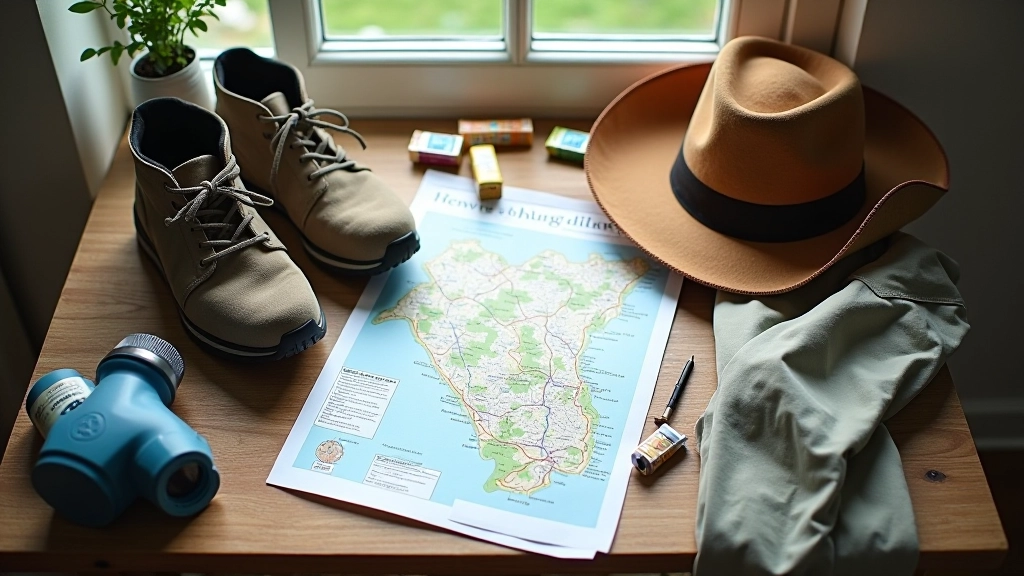
You don't need expensive gear for heritage walks. Keep it simple and practical. Here's what actually matters:
Don't carry everything you own. A small backpack (10-15 litres) is plenty. Lighter load means you'll actually enjoy the walk instead of getting tired halfway through.
Let's be practical: parking's not always easy. Thoor Ballylee has a small carpark that fills up by mid-morning during tourist season. Coole Park has better parking facilities — about 30 spaces plus overflow areas. Don't rely on finding a spot; arrive early or plan for a short walk from wherever you can park.
Public transport is an option if you're coming from Galway city. Bus routes serve both locations, though you'll want to check current schedules beforehand. The journey takes 30-45 minutes depending on your starting point. If you're driving, allow extra time during summer weekends when the roads get busy.
Visit before 10 AM or after 3 PM to avoid the midday rush. Most tour groups arrive between 11 AM and 2 PM. You'll have quieter paths and better photo opportunities.
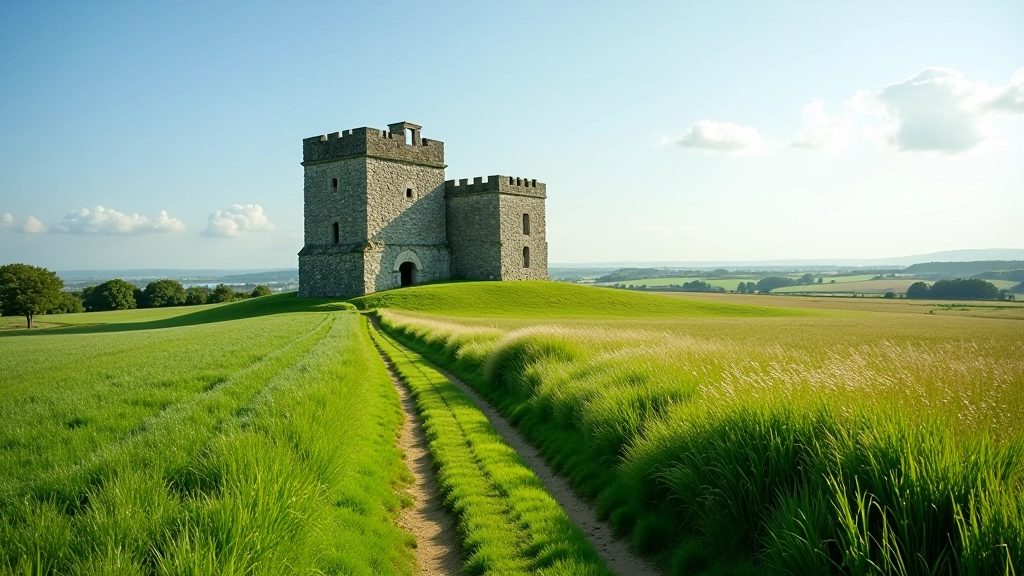
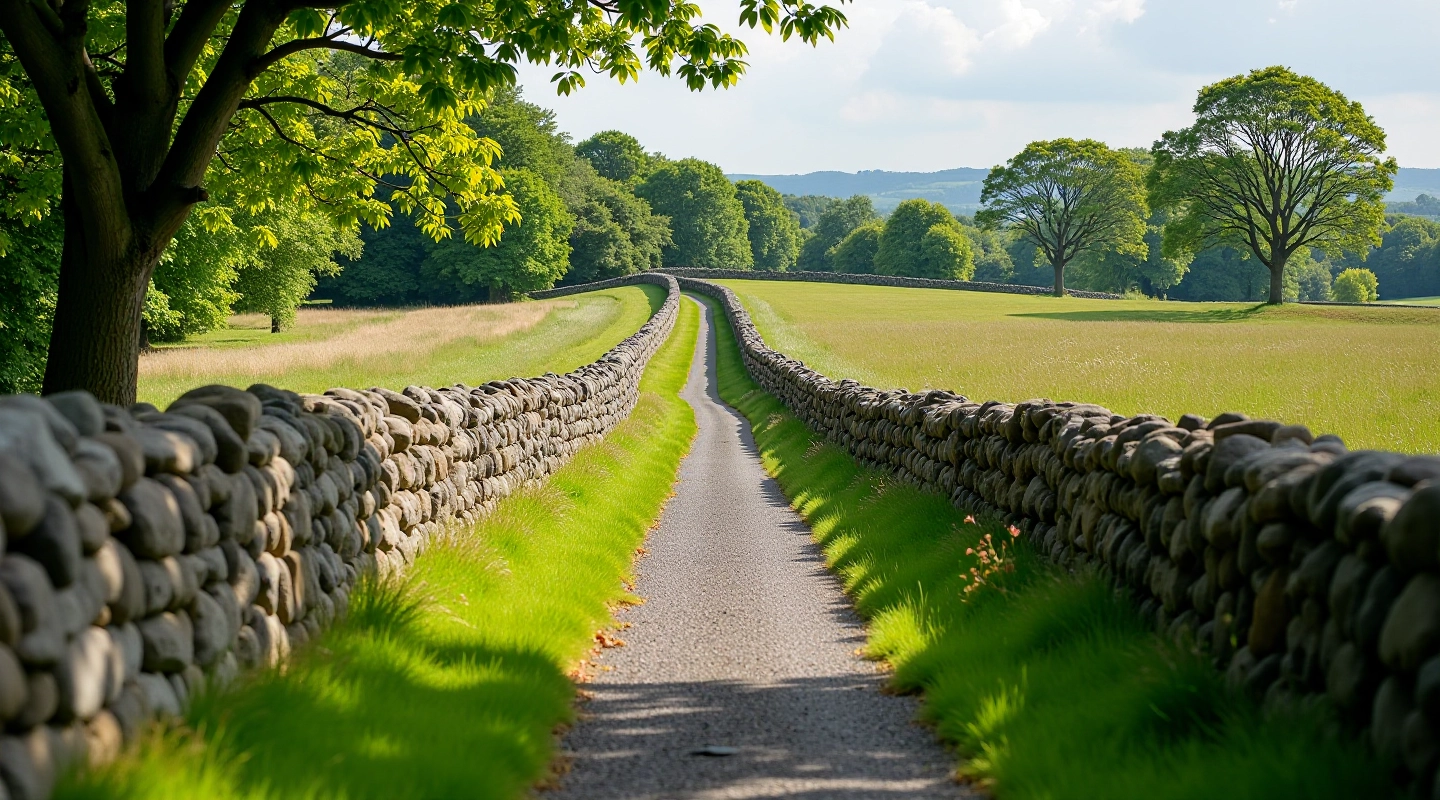
Heritage walks aren't always flat. You'll encounter grass, gravel paths, and the occasional muddy section. After rain, trails can be slippery. That's why proper footwear matters more than distance.
Most routes take 1.5 to 2.5 hours depending on your pace and how long you spend at each point of interest. Don't rush. These places deserve attention — there's history in the walls, stories in the landscape. Take breaks when you need them. Sitting by a stone wall with a bottle of water and your thoughts isn't wasting time; it's the whole point.
If you've got mobility concerns, contact the visitor centre beforehand. They can suggest shorter variations or quieter times to visit when paths aren't crowded.
Bring a notebook if you're the type to jot things down. You'll notice details — weathered carvings, interesting stone work, patterns in the walls — that disappear from memory if you don't record them. A camera or phone's fine, but written notes help you remember why something caught your eye.
Respect the sites. These aren't theme parks; they're real places with genuine historical significance. Don't carve your initials into stones. Don't leave rubbish. Take photos, yes, but don't treat them as Instagram backdrops. Be the kind of visitor that makes locals happy to see tourists.
The best heritage walks aren't about ticking boxes. They're about slowing down, noticing details, and understanding how people actually lived in these places centuries ago.
Consider visiting the local visitor centre or museum before you walk. A bit of context makes everything you see more meaningful. You'll understand why the walls are built certain ways, why towers are positioned where they are, what daily life actually looked like.
Heritage walks in Galway are generally safe, but use common sense. Stick to marked paths. Don't wander into private farmland. Farmers don't appreciate surprise visitors, and you might miss warning signs about livestock.
If you have health concerns — breathing difficulties, joint problems, heart conditions — talk to your GP before attempting longer walks. Heritage sites aren't going anywhere; there's no shame in choosing a shorter route or visiting on a day when you're feeling stronger.
Let someone know where you're going and roughly when you'll be back. It's not paranoid; it's sensible. Phone reception can be patchy in some areas, so don't rely entirely on your mobile for emergencies.
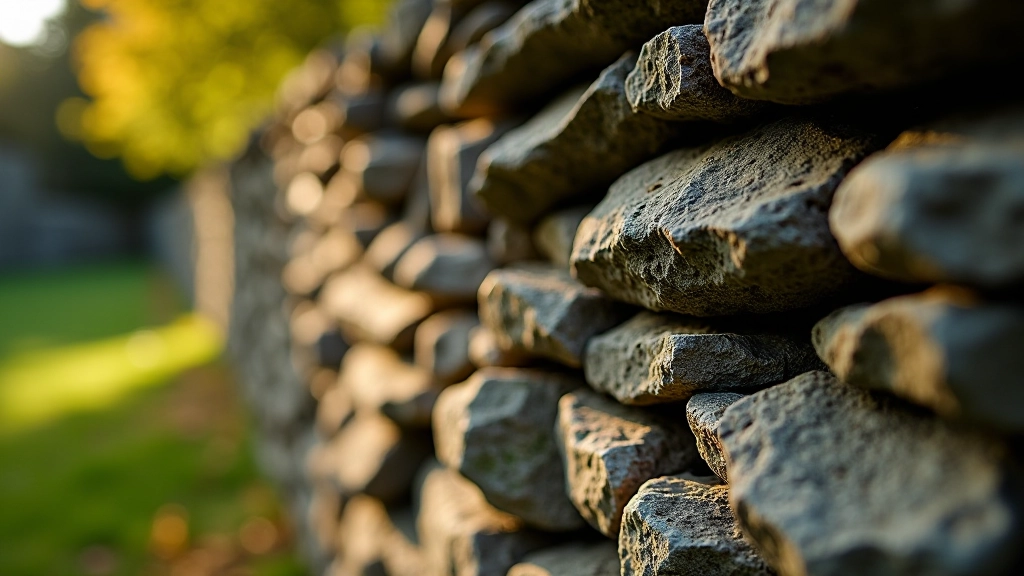
Choose activities that match your fitness level, check local conditions before travelling, and speak with your GP if you have health concerns before starting a new activity. Weather can change quickly in Ireland — always carry appropriate clothing and check forecasts before you leave.
Heritage walks aren't competitive. There's no score, no leaderboard, no need to prove anything. You're there to spend time in places that matter, to see landscape that's shaped human life for centuries. That's enough.
Bring your curiosity. Bring your comfortable shoes. Bring water and snacks and a willingness to go slowly. That's all you need. The rest — the stories, the views, the feeling of connection to something bigger than yourself — that's what these walks give you.
Editorial Team
Written by the robwway Editorial Team, focused on clear, practical guidance for heritage walks in Galway. We believe in informative content that helps readers explore and understand the places they visit.
Discover other heritage sites worth visiting in Galway
Explore the restored Norman tower where Yeats lived. Discover how medieval fortifications became a poet's creative refuge.
Read More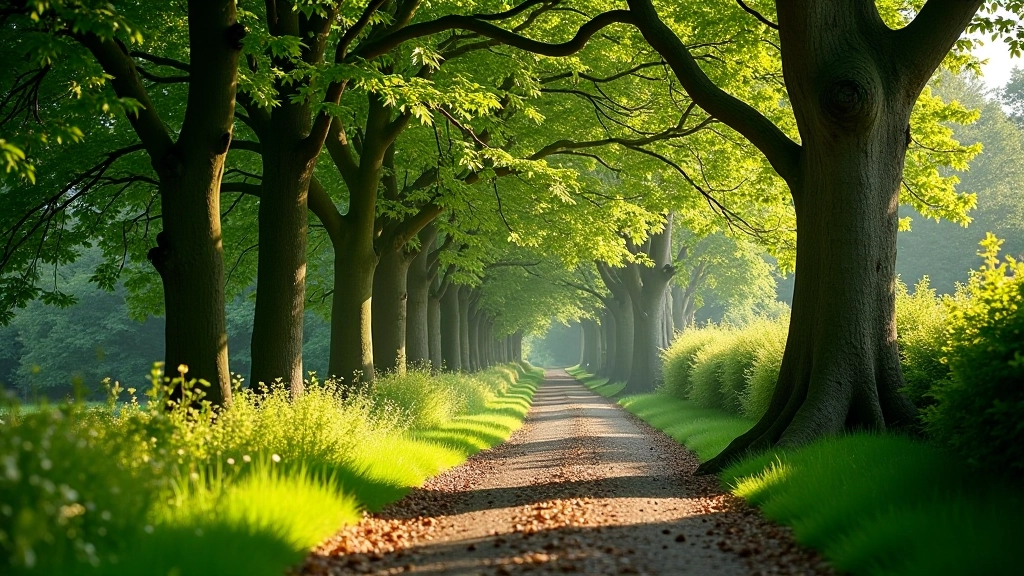
Follow the woodland path to the famous beech tree carved with signatures of literary figures. A peaceful walk through literary history.
Read More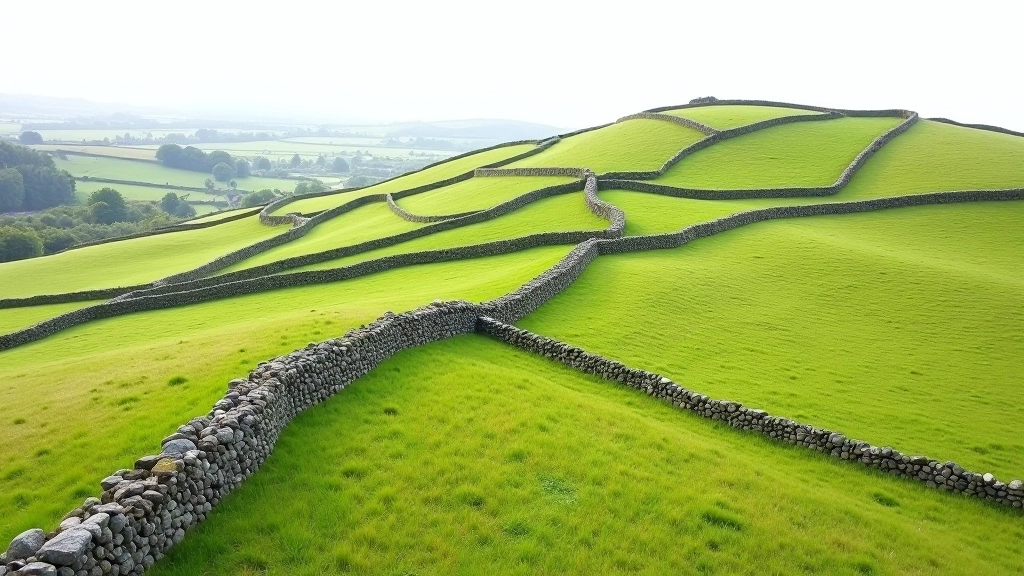
Walk the ancient stone boundaries that shaped farming communities. These walls tell stories of how land was organized and managed for centuries.
Read More